Why yacht size matters: A yachtie’s guide to working on 30m, 50m, 80m and 100m+ yachts

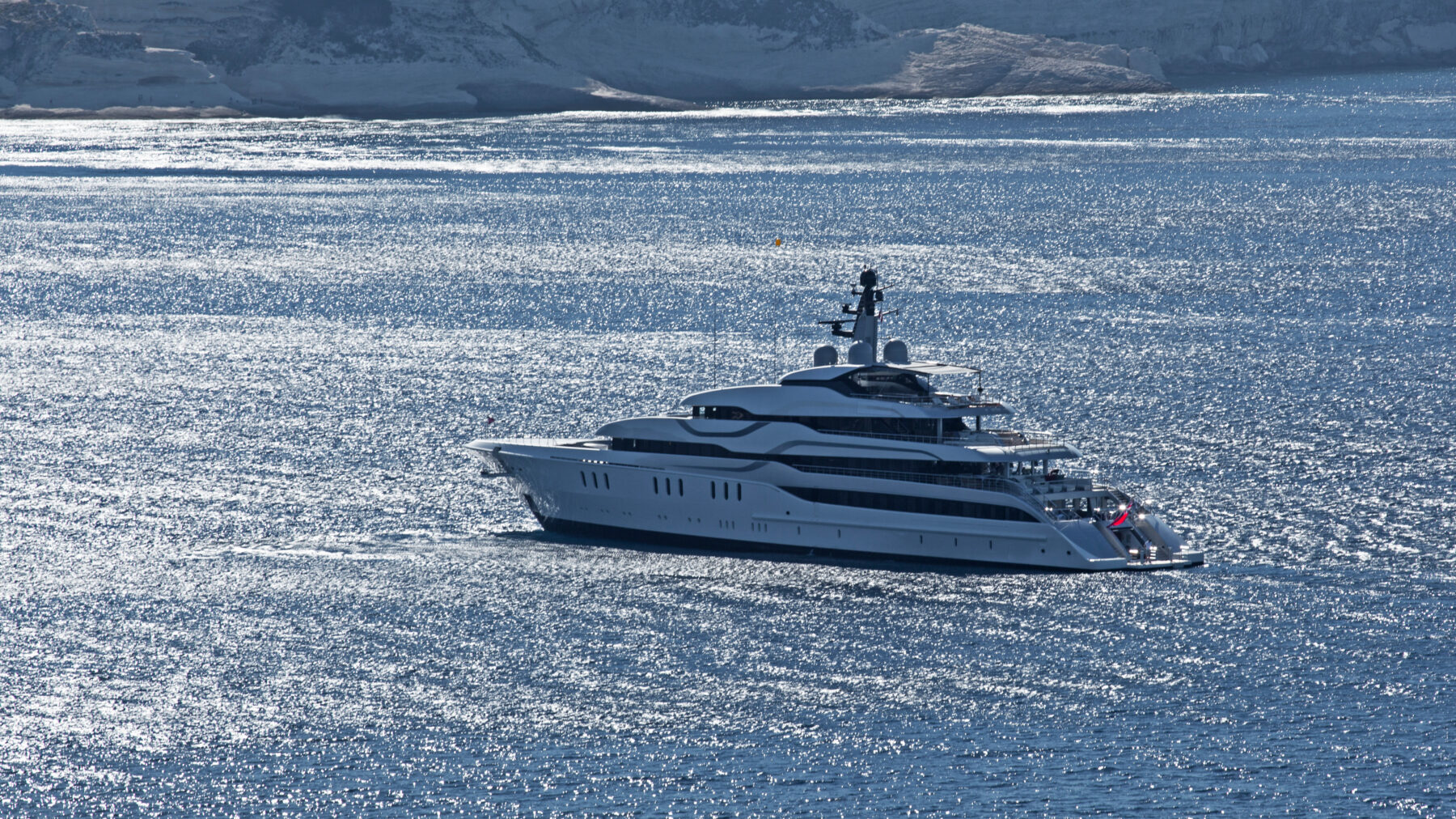
A 30m yacht and a 100m superyacht are both considered yachts, but working onboard each one is a completely different job. Whether you are a Deckhand, Stewardess, Engineer or Chef, the same job title can mean very different things depending on the size of the vessel.
The size of a yacht shapes how many crew you work with, how specialised your role is and how your career can progress. Knowing what to expect at each size helps you target the right roles, prepare for interviews and find a boat that really suits you. If you’re just starting out, read our guide to getting your first job on a yacht first.
Yacht size Typical crew What it feels like onboard
30 – 50m 5 – 10 Small and close-knit. Everyone helps everywhere.
50 – 70m 10 – 15 Defined departments, but small, hands-on teams.
70 – 100m 15 – 30 Specialist roles, clear hierarchies and structured rotas.
100m+ 30 + Run like a business, with rotation and shore-based support.
Crew numbers are typical ranges and vary with the yacht’s layout, its programme and whether it is private or charter.
With a crew of five to ten, everyone mucks in. A Stewardess might cover housekeeping, laundry, service and provisioning, then help the deck team with lines and fenders. A Deckhand may double as tender driver and watersports instructor. Guest contact is close and personal, so flexibility and initiative matter most.
Recruiter’s tip: small yachts build all-round experience fast. Show the full breadth of your role on your CV, as captains of larger yachts value crew who understand the whole boat.
Departments are clearly defined but still small. Two engineers might keep everything from the main engines to the air conditioning running, while a Chief Stewardess and two or three Stewardesses look after the interior. Your role is clearer, but you still need to be hands-on and ready to adapt.
Recruiter’s tip: moving up from a smaller yacht? Highlight the systems, areas or guests you have taken ownership of. It shows you are ready for more responsibility.
With a crew of 25 or more, roles become specialised and the hierarchy is clearer. The interior splits into service, housekeeping and laundry, the galley may have a Head Chef, Sous Chef and Crew Chef, and the engine room adds roles such as Electro-Technical Officer (ETO). Expect structured rotas, set procedures and very high guest expectations.
Recruiter’s tip: on larger yachts, specialist skills stand out. Accredited training, such as The Crew Academy’s courses, can give you the edge in a competitive field.
With 30 or more crew, these yachts operate more commercially, like a business. The Captain oversees budgets, compliance and relationships with the owner, management company and charter brokers, supported by department heads, a Purser and shore-based teams. Rotation is common, and leadership and communication matter as much as sea time.
Recruiter’s tip: for senior roles, owners look for evidence of leadership, not just certificates. Be ready to talk about teams you have built and problems you have solved.
There is no “best” size of yacht, only the right one for where you are in your career. At The Crew Hunter, we place crew on yachts from 30m to 100m+, and we know what each role really involves onboard. We take the time to understand your experience and ambitions, then match you with a yacht where you can thrive.